NCA suspends DSTV, Orders response in 30 days
In a bold and unprecedented move, the National Communications Authority (NCA) has officially issued a suspension notice to DStv Ghana, giving the satellite television provider 30 days to respond or risk losing its broadcasting license. The notice, which follows mounting public dissatisfaction and political pressure, stems from ongoing concerns over DStv’s high subscription fees and the perceived decline in content quality.
This action comes just days after Ghana’s Minister for Communication, Digital Technology and Innovation, Hon. Samuel Nartey George, publicly expressed frustration at DStv’s pricing strategy and threatened to revoke its license if necessary reforms were not made.
Regulatory Showdown Begins
In a press release dated Friday, August 8, 2025, the NCA confirmed that it had sent a formal suspension notification to MultiChoice Ghana, the operator of DStv, under Section 13 of the Electronic Communications Act, 2008 (Act 775). The notice requires DStv to justify its current subscription pricing or face possible sanctions, including the suspension or revocation of its license.
“The Authority has issued a written notice to MultiChoice Ghana, requiring the company to respond within thirty (30) days, explaining why regulatory sanctions should not be applied,” the NCA stated.
This decisive move is being seen as part of a broader effort by the government to address what many Ghanaians have described as years of exploitation by foreign media companies operating in the country.
Samuel George Leads the Charge
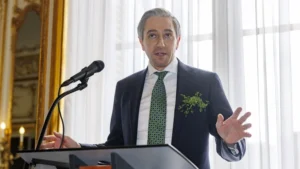
The push for regulatory intervention was spearheaded by Minister Samuel Nartey George, who has been vocal in his criticism of DStv’s pricing model. Speaking at the Government Accountability Series on August 1, the minister made it clear that the time for dialogue had passed and regulatory action was imminent.
“If by August 7, DStv has not complied with our directive to reduce their prices, their broadcasting license will be suspended. Ghanaians have been cheated for far too long,” he declared.
According to the minister, DStv responded to government pressure by citing economic conditions—particularly the depreciation of the Ghanaian cedi over the last eight years—as justification for its current pricing. However, Mr. George dismissed the explanation as unsatisfactory and accused the company of hiding behind macroeconomic data to justify unreasonable costs to consumers.
“We will not allow foreign service providers to take advantage of our citizens under the guise of economic pressures,” he said firmly.
Public Frustration Over Content and Pricing
Beyond the issue of pricing, many Ghanaians have taken to social media to complain about DStv’s repetitive and outdated content. Critics argue that the platform continues to broadcast reruns of shows while charging premium rates that are not reflective of the actual content value being provided.
Nana Yaa Jantuah, a media personality and former politician, echoed this sentiment, stating: “DStv must reduce their prices. The content they are offering is even outdated. Why should Ghanaians pay so much to watch recycled shows?”
This growing dissatisfaction has fueled public support for the government’s intervention and the NCA’s latest notice, with many calling for more affordable and competitive alternatives in the Ghanaian TV space.
What Happens Next?
With the 30-day clock now ticking, all eyes are on MultiChoice Ghana. The company must provide a compelling justification for its pricing strategy, or it risks significant regulatory penalties that could lead to the suspension of its broadcasting license.
Meanwhile, the NCA has promised to engage relevant stakeholders and monitor the situation closely. “We will assess DStv’s response thoroughly and take action in accordance with the law and in the best interest of Ghanaian consumers,” a spokesperson from the Authority said.
Should the suspension go through, it would disrupt service to thousands of households and could potentially open the door for local and more affordable platforms to step in.
This developing story underscores the growing demand for consumer protection in the digital and broadcast space in Ghana. It also sends a strong message to multinational corporations that pricing and content strategies must align with local economic realities and public expectations.
Source: Trendz Gh
About The Author